by silence | Mar 8, 2026 | productivity
Feeling lost, restless, or like your best years are somehow behind you? You’re not alone — and you’re not finished. Here’s how real people over 50 rediscovered their sense of purpose and built the most meaningful chapter of their lives.
There’s a quiet crisis that rarely makes headlines. It doesn’t hit all at once. It creeps in slowly — on a Sunday afternoon when the house feels too still, on a Monday morning when the thought of another week at the same desk feels unbearable, or the moment your last child drives away to college and you realise you’ve been so focused on everyone else’s story that you’ve lost the plot of your own.
If you’re over 50 and wondering “What is my purpose in life?” — welcome to one of the most important questions you will ever ask yourself. And here’s the truth that doesn’t get said enough: finding purpose after 50 is not only possible — for many people, it’s when life finally makes sense.
Research from Stanford University’s Center on Longevity shows that people in their 50s and 60s often report higher levels of emotional wellbeing than younger adults. The wisdom you’ve accumulated, the clarity that comes from lived experience, and the freedom that this season of life offers can make your post-50 years your most purposeful yet. But only if you’re intentional about it.
Here are five proven strategies — backed by real-life stories — to help you rediscover your ikigai (the Japanese concept meaning “reason for being”) and start living with deep, authentic purpose.
1. Reconnect With the Person You Were Before Life Got in the Way
One of the most powerful tools for finding purpose after 50 is looking backward before you look forward. Between the ages of 15 and 25, most of us had passions, dreams, and instincts that were alive and unfiltered. Then life happened — mortgages, careers, relationships, responsibilities. Those early interests didn’t die; they just got buried.
Rediscovering your pre-adult passions is one of the most reliable pathways to purpose in midlife and beyond.
Real-Life Story: David’s Second Life as a Musician
David Chen spent 27 years as a corporate accountant in Singapore. At 53, following a routine health scare, he found himself going through old boxes in his garage. Among the clutter was a dusty guitar he’d played obsessively as a teenager. On impulse, he signed up for adult guitar lessons. Within a year, he was playing in a local acoustic group, performing at community events, and teaching weekend music workshops for seniors. “I didn’t find a new purpose,” David says. “I found my original purpose. It had been waiting for me the whole time.”
Action Step: Make a list of everything you loved doing between ages 12 and 22, before anyone told you it wasn’t practical. What patterns do you see? These clues are more valuable than any career assessment tool.
2. Redefine Success on Your Own Terms
One of the most common reasons people over 50 feel purposeless is that they’ve been chasing someone else’s definition of a meaningful life — a definition built around titles, salaries, status, and external validation. After decades of playing by those rules, many arrive at 50 having “won” the game only to find it was never the game they actually wanted to play.
Finding purpose in life after 50 often starts with the courageous act of rewriting the rulebook.
This isn’t about rejecting ambition. It’s about trading shallow ambition for deep ambition — pursuing things that matter to you, not to a performance review.
Real-Life Story: Margaret’s Exit from the Corner Office
Margaret Osei was a Vice President at a major UK insurance firm when she walked away at 56. From the outside, her life looked like the definition of success. From the inside, she felt hollow. “I had spent 30 years building a career I thought I wanted. At 56, I finally admitted I had been performing success rather than living it.” Margaret spent six months volunteering with a micro-finance NGO in Ghana before launching a financial literacy programme for young women in underserved communities. Today, she describes herself as more energised, more engaged, and more alive than at any point in her corporate career. Her income is lower. Her sense of purpose is off the charts.
Action Step: Write down three things you chase out of obligation or social expectation versus three things that, when you do them, make you lose track of time entirely. Your purpose almost certainly lives closer to the second list.
3. Use your hard-won expertise to Serve Others
Here’s something that people searching for “meaning and purpose after 50” often miss: you are sitting on a goldmine. Everything you know — the skills, the hard lessons, the industry knowledge, the life wisdom — is precisely what someone younger desperately needs. Shifting from accumulation to contribution is one of the most powerful transitions a person in midlife can make.
Mentoring, coaching, teaching, writing, or consulting are not second-choice careers. They are high-impact pathways that leverage everything you’ve built while giving your life a sense of legacy and meaning that few things can match.
Real-Life Story: Robert’s Unexpected Second Career as a Coach
Robert Fernandez spent 25 years as a structural engineer before retiring early at 58. He assumed retirement would feel like freedom. Instead, it felt like irrelevance. On the suggestion of a friend, he began informally mentoring junior engineers at a local firm. The response was overwhelming. Within 18 months, Robert had formalised his approach, earned a professional coaching certification, and launched a small consultancy helping mid-career engineers navigate career transitions. “I had spent my whole career building things out of steel and concrete,” he says. “Now I build people. It’s the most satisfying work I’ve ever done.”
Action Step: List the top five things you know deeply — skills, industries, hard-earned insights, or lived experiences. Then ask: Who needs this knowledge and can’t easily access it? That intersection is often where purpose hides.
4. Build New Social Ecosystems Around Shared Values
Research consistently links a strong sense of purpose in midlife and later life to social connection and community belonging. Yet many people over 50 find that their social world has quietly contracted — children have left, colleagues have retired, and old friendships have faded with geography and changed circumstances.
Rebuilding a vibrant social life isn’t just good for your happiness. It is essential for a purposeful life. The connections you build around shared values, causes, and interests will often become the very context in which your new purpose takes root and flourishes.
Real-Life Story: Susan and the Running Club That Changed Her Life
At 54, Susan Park was recently divorced, her two children were living abroad, and she described herself as “profoundly, almost embarrassingly lonely.” On a whim, she joined a local running group for beginners over 50. She had never run before. Within months, the group had become her core community. The shared vulnerability of learning something new as older adults created bonds quickly. Two years later, Susan now co-organises charity runs that raise funds for women’s shelters, has built deep friendships, and says the combination of physical challenge, shared mission, and community belonging gave her a sense of purpose she had never felt even during her busiest career years.
Action Step: Identify one community, club, cause, or class aligned with something you genuinely value — not just something convenient. Show up consistently for 90 days. Purpose rarely arrives in a flash of inspiration; it grows slowly in the soil of committed relationships.
5. Embrace Reinvention as a Lifelong Practice, Not a One-Time Event
Perhaps the most liberating shift you can make in your 50s is this: stop looking for the purpose and start living purposefully. Purpose is not a destination you arrive at. It is a practice, a direction, a way of engaging with life that evolves as you do.
Many people delay their reinvention because they’re waiting for a grand vision or a guaranteed outcome. But purpose rarely works like that. It reveals itself through action, through experimentation, through saying yes to things that scare you a little and no to things that slowly drain the life from you.
This is especially important for those experiencing what psychologists call the midlife transition — a period of deep questioning about identity, legacy, and meaning that is not a crisis to be survived but an invitation to be answered.
Real-Life Story: James and the Blog That Became a Movement
James Adeyemi had worked in corporate human resources for 28 years when, at 57, he began writing a blog about navigating workplace stress in your 50s. He had no plan, no audience, and no clear sense of where it was going. He simply started writing honestly about his own experience. Within two years, his blog had over 40,000 monthly readers. He had been invited to speak at three major conferences, signed a book deal, and built an online community of thousands of people who shared his belief that midlife is the beginning of something, not the beginning of the end. “I didn’t plan this purpose,” James says. “I acted my way into it.”
Action Step: Choose one thing you’ve been “thinking about doing” for more than six months and commit to starting it — imperfectly and immediately. Give it 90 days of genuine effort. Purposeful living is built on the decisions you make before you feel ready.
The Bigger Picture: Why Finding Purpose After 50 Matters More Than Ever
The science is unambiguous. A strong sense of purpose in midlife and later life is associated with better physical health, lower rates of depression and anxiety, stronger cognitive function, and even greater longevity. A landmark study published in JAMA Network Open found that people with a higher sense of purpose had significantly lower mortality risk. This is not a soft, feel-good concept. Living with purpose is one of the most powerful health interventions available to people over 50.
You are not too old. You are not too late. You are not running out of time. In many ways, you are only now equipped with everything you need to live your most meaningful life.
Summary: Your Action Plan for Finding Purpose After 50
Here’s a quick recap of the five strategies and the action steps to get started today:
1. Reconnect with your early passions. List everything you loved doing between ages 12 and 22. Look for patterns — your original purpose is often still waiting there.
2. Redefine success on your own terms. Distinguish between what you chase out of obligation and what genuinely energises you. Build your life closer to the second list.
3. Leverage your expertise to serve others. Identify your deepest knowledge and skills, then find the people who need them most. Mentoring, coaching, and teaching are among the most purpose-rich activities available to you.
4. Build community around shared values. Join one group, cause, or class aligned with something you genuinely care about. Show up for 90 days and let belonging do its quiet, powerful work.
5. Start before you’re ready. Pick one thing you’ve been postponing and begin it imperfectly and immediately. Purpose is not found — it is built, one action at a time.
Your 50s, 60s, and beyond are not the epilogue of your story. They may well be its most important chapters. The question is not whether you have time. The question is whether you’re willing to begin.
What step will you take this week?
Did this post resonate with you? Share it with a friend who needs to hear it, and drop a comment below — I’d love to know what purpose looks like for you at this stage of life.
by silence | Feb 22, 2026 | productivity
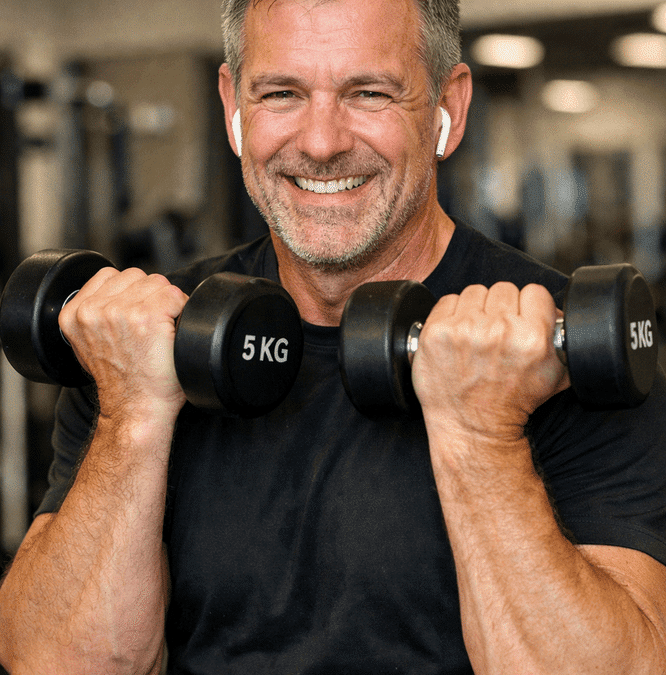
Turning 50 is a strange milestone. On paper, you’re “older.” In real life, you may feel like the same guy—just with more responsibilities, less time, and a few more aches. People talk a lot about physical health after 50: cholesterol, gym routines, annual check-ups, and cutting sugar. All good. But there’s another part of health that often gets ignored—especially for men.
Men’s mental health after 50 matters more than most people realize. This stage of life can bring major shifts: career pressure or retirement decisions, children moving out, changing relationships, aging parents, health worries, and sometimes grief. You may also notice something subtler: motivation fades, patience gets shorter, sleep isn’t as solid, and the mind gets noisier at night.
And here’s the honest bit—many men were taught to handle emotional pain by staying busy, staying quiet, or staying tough. That might work for a while, but it’s not a long-term plan. Mental fitness is like physical fitness: if you neglect it, it eventually shows up in your energy, mood, relationships, and even your body.
This guide is built for real life. Not fluffy advice. Not “just think positive.” These are 10 practical strategies for mental health for men over 50, each with concrete examples and easy ways to start—today.
1) Say it out loud: break the silence around men’s mental health
The first step is the simplest and the hardest: admit when something isn’t right.
A lot of men don’t describe depression as “sad.” It shows up as:
- irritation and anger
- feeling flat or numb
- loss of interest in things you used to enjoy
- avoiding people
- drinking more than usual
- sleeping poorly
- feeling “useless” or like you’re just going through the motions
Example:
Ravi, 56, wasn’t crying or “down.” He was just constantly annoyed—at traffic, colleagues, even his wife’s harmless questions. He told himself, “I’m just tired.” But the truth was he felt overwhelmed and unsupported at work. When he finally told a friend, “I’m not coping,” the friend didn’t judge him—he related. That conversation became the doorway to real change.
Try this today:
Use one sentence that’s honest but simple:
- “I’ve been feeling off lately.”
- “I’m more stressed than I admit.”
- “I’m not enjoying things the way I used to.”
- “I think I need to talk to someone.”
You don’t need a dramatic confession. You just need to stop pretending.
2) Rebuild purpose: meaning is medicine after 50
Purpose protects your mental health. For many men, purpose is tied to work—deadlines, leadership, being needed. But after 50, work can change. Some men get pushed aside. Some retire. Some reach a point where they’re asking, “Is this it?”
Purpose doesn’t have to be huge. It’s the feeling that your life has direction.
Examples:
- After retirement: Daniel, 62, felt restless and empty once he stopped working. He started volunteering one day a week helping students with interview prep. He didn’t just “stay busy”—he felt useful again.
- After kids leave home: Farid, 54, struggled when his house became quiet. He started coaching a community football team. Suddenly, his week had structure and meaning.
- After health scares: Michael, 58, survived a mild heart attack. It shocked him into changing how he lived. He made a goal to walk 10,000 steps daily and reconnect with old friends. The purpose wasn’t abstract—it was “I’m not going out like this.”
Try this exercise:
Write down 3 answers to:
“What makes me feel proud of myself?”
Then build a small weekly habit around one of them.
Purpose often returns through contribution: mentoring, learning, serving, building, creating, parenting differently, supporting others.
3) Strengthen friendships: loneliness is a bigger threat than most men admit
Loneliness isn’t just emotional pain—it affects sleep, stress hormones, and long-term health. And men are particularly vulnerable because many rely on:
- work friendships (which fade after retirement or job changes)
- a spouse as the main emotional connection
- social habits that drop off due to busyness
Example:
Hafiz, 60, lost his wife and found himself eating alone most nights. He didn’t want pity, so he isolated. A neighbor invited him to a weekly coffee meetup. He went once, then again. Six months later, he said, “I didn’t realize how much I needed to just talk nonsense with other men.”
What “social health” looks like after 50:
- a weekly standing plan (walk, coffee, prayer group, gym buddy)
- a hobby-based community (cycling, chess, fishing, hiking, cars)
- reconnecting with two old friends even if it feels awkward at first
Try this today:
Text one person: “Want to catch up this weekend? Coffee’s on me.”
Men rarely regret doing this. They usually regret not doing it sooner.
4) Move your body: the fastest mood booster that’s actually free
If you want one habit that improves mood, sleep, confidence, and stress—exercise is it. You don’t have to love it. You just need consistency.
Physical activity helps because it:
- reduces stress hormones
- improves sleep quality
- boosts energy and focus
- gives you small wins (which matter when motivation is low)
Examples:
- The “10-minute rule”: Ken, 55, couldn’t stick to workouts. So he promised himself 10 minutes only. Most days he kept going once he started. The trick wasn’t motivation—it was starting.
- Walking as therapy: Suresh, 59, started walking after dinner instead of doom-scrolling. He said it felt like “clearing the mental clutter.”
- Strength training for confidence: Gary, 52, began lifting twice a week. Within months, he felt stronger physically—and mentally. “It changed how I carried myself.”
Simple plan:
- 30 minutes walking, 5 days/week (or 15 minutes twice a day)
- 2 days/week basic strength training (push-ups, squats, resistance band)
This is one of the most reliable tools for stress management for men.
5) Learn stress skills: life doesn’t stop throwing problems after 50
Stress after 50 can be heavy: finances, aging parents, health worries, children’s struggles, job instability. Stress becomes dangerous when it turns chronic—when your body never returns to calm.
Examples:
- Caregiver stress: Ahmad, 57, was managing his mother’s hospital visits. He was constantly tense. He learned a simple breathing routine: inhale 4 seconds, hold 4, exhale 6. He used it in the car before walking into the house.
- Work stress: Jonathan, 53, carried work into bedtime. He started a “shutdown ritual”: write tomorrow’s top 3 tasks, close laptop, 5-minute stretch, then shower. His brain stopped spinning at night.
Tools that actually work (pick one):
- 5 minutes of slow breathing daily
- short meditation app sessions
- journaling: “What’s bothering me + what’s within my control?”
- hobbies that absorb attention (gardening, woodworking, fishing, cooking)
Stress is not solved by willpower. It’s solved by skills.
6) Fix your sleep: poor sleep makes everything feel worse
If you’re struggling with mood, anxiety, irritability, or low motivation—check your sleep first.
Sleep problems after 50 are common:
- waking up early
- lighter sleep
- night-time urination
- stress-related insomnia
Example:
Charles, 63, thought he had “anxiety.” But really, he was sleeping 5 hours a night for months. Once he fixed his sleep routine, his anxiety dropped massively.
Practical sleep upgrades:
- consistent bedtime/wake time (even on weekends)
- no screens 45–60 minutes before bed
- cool, dark room
- reduce caffeine after lunch
- morning sunlight for 10 minutes (helps your body clock)
If snoring is loud or you wake up gasping, consider checking for sleep apnea—it’s common and treatable.
7) Eat for your brain: nutrition shapes mood more than most men expect
Food isn’t just fuel. It affects inflammation, energy, brain function, and mood stability.
A simple approach:
- more whole foods
- more protein
- healthy fats (fish, olive oil, nuts)
- vegetables daily
- fewer ultra-processed snacks and sugar spikes
Example:
Peter, 55, had afternoon crashes and brain fog. He replaced sugary snacks with protein (eggs, yogurt, nuts) and added fish twice a week. Two weeks later, he felt sharper and less moody.
Easy “mental-health plate”:
- protein (chicken, fish, tofu, eggs)
- fiber (vegetables, legumes, oats)
- healthy fat (nuts, olive oil)
- hydration (dehydration worsens fatigue and irritability)
8) Keep learning: mental sharpness stays young when you challenge it
Learning gives you:
- confidence
- novelty (which boosts mood)
- a sense of progress
Examples:
- New hobby: Joseph, 61, started woodworking. The focus and problem-solving became his “mental gym.”
- Skill upgrade: Arjun, 50, took an online course to stay relevant at work. Instead of fearing change, he became excited by it.
- Language learning: Omar, 58, learned basic Italian before a trip. He felt proud of himself—like he was expanding, not shrinking.
The goal isn’t mastery. It’s engagement.
9) Practice gratitude and mindfulness: train your mind away from constant worry
Mindfulness isn’t about becoming a monk. It’s simply learning to come back to the present instead of living in regret or fear.
Gratitude helps because it retrains your attention. Your mind naturally scans for threats. Gratitude teaches it to notice what’s good.
Example:
Richard, 70, constantly replayed past mistakes. His daughter suggested a nightly habit: write three things that went well. At first it felt silly. Later, it became grounding. “I started seeing my life differently,” he said.
Two easy habits:
- 60 seconds in the morning: “What matters today?”
- 60 seconds at night: “What went right today?”
10) Get professional support early: the strongest men ask for help
If your mood is low most days, anxiety is constant, or you’re losing interest in life—talk to a professional. Therapy is not “for broken people.” It’s training, support, and tools.
Examples:
- Tom, 59, felt hopeless. He started therapy and learned coping skills, boundaries, and how to process grief properly.
- A man with panic symptoms thought he was “weak.” His doctor helped him understand his body was stuck in fight-or-flight. Treatment worked.
When to reach out (no debate):
- symptoms last more than 2–3 weeks
- you’re using alcohol to cope
- relationships are suffering
- you feel numb, hopeless, or trapped
This is how you protect your family and your future. Early action changes outcomes.
Final words: you can feel better than you do now
The best part about working on mental health for men over 50 is that small changes compound. You don’t need to transform your whole life in a week. Start with one habit:
- walk daily
- message a friend
- fix sleep
- talk to someone
- find purpose again
You’re not “too old.” You’re just at a stage where your mind needs the same care you’ve always given your responsibilities. And that’s not weakness—that’s wisdom.
by silence | Feb 8, 2026 | productivity
Introduction: The Wake-Up Call That Changes Everything
Picture this: It’s Sunday evening, and instead of enjoying dinner with your family, you’re checking work emails for the third time in an hour. Your heart races every time your phone buzzes. The weekend you desperately needed to recharge has slipped through your fingers, and tomorrow, you’ll face another week of overwhelming deadlines, endless meetings, and mounting pressure.
If this sounds familiar, you’re not alone. For professionals in their 50s, work stress has reached epidemic proportions. According to recent data, 76% of people aged 36 to 49 identify money as a significant stressor, and this anxiety only intensifies as we move into our fifties. The responsibilities pile up—caring for aging parents, supporting adult children, managing health concerns, and facing the reality that retirement is approaching faster than our savings accounts might suggest.
But here’s the truth that nobody talks about: Your 50s don’t have to be your breaking point. They can be your breakthrough.
After analyzing insights from top stress management experts, career coaches, and mental health professionals, I’ve discovered that the people who successfully reclaim their lives in their 50s share five common strategies. These aren’t theoretical concepts—they’re battle-tested approaches that work in the real world, with real jobs, and real pressures.
Why Your 50s Are Different: Understanding the Unique Stress Landscape
Before we dive into solutions, let’s acknowledge what makes stress in your 50s uniquely challenging. Your body responds differently to stress than it did in your 30s. Research shows that as we navigate hormonal changes and aging, we literally become less stress-resilient. The cortisol stays elevated longer. The recovery takes more time. And the stakes feel higher.
Sarah, a 54-year-old marketing director, described it perfectly: “In my 30s, I could work 60-hour weeks and bounce back after a weekend. Now, one stressful week leaves me depleted for days. My body’s sending me messages I can’t ignore anymore.”
The health consequences become more immediate and severe. High stress in your 50s dramatically increases your risk for high blood pressure, chronic disease, memory loss, and weight gain. But it’s not just physical—the mental toll manifests as chronic anxiety, Sunday night dread, and a gnawing sense that you’re trapped in a life that no longer fits.
The good news? Your 50s also bring wisdom, perspective, and—if you choose to use it—the confidence to demand better.
Strategy #1: Master the Art of Strategic Saying No
The Problem: Most professionals in their 50s have built their careers on saying “yes.” Yes to extra projects. Yes to leadership roles. Yes to mentoring junior colleagues. But this pattern becomes unsustainable when your capacity isn’t what it used to be.
The Solution: Learn to say no strategically, protecting your energy for what truly matters.
Real-World Example: Michael, a 57-year-old engineer, transformed his work life by implementing what he calls his “Three Project Rule.” He committed to working intensely on no more than three major projects at once. When his boss approached him with a fourth urgent assignment, instead of his usual “yes,” Michael responded: “I’m currently at capacity with Projects X, Y, and Z. I can take this on if we can reassign one of my current projects, or I can add it to my queue for next month. Which would you prefer?”
The result? His boss reassigned one project to a junior team member, and Michael maintained his sanity. More importantly, the quality of his work on the remaining three projects improved dramatically because he wasn’t spread impossibly thin.
How to Implement This:
- Audit your commitments – Make a list of every project, meeting, and responsibility currently on your plate
- Rank by impact – Which activities genuinely move the needle for your career and company?
- Create your boundary script – Prepare 2-3 phrases you can use when saying no professionally: “I’m at capacity right now, but I’d love to revisit this in [timeframe]” or “To give this the attention it deserves, I’d need to deprioritize [other commitment]. Is that the right trade-off?”
- Practice the pause – Don’t commit on the spot. Say “Let me check my bandwidth and get back to you by end of day”
Remember: Saying no to the wrong things is saying yes to the right things—including your health and well-being.
Strategy #2: Redesign Your Schedule Around Your Energy, Not Your Calendar
The Problem: Most professionals structure their days around when meetings are scheduled, not when they actually have the energy to do their best work. By your 50s, you’ve learned that your energy fluctuates throughout the day, yet you’re still fighting against your natural rhythms.
The Solution: Build your schedule around your energy peaks and protect your high-energy windows for your most important work.
Real-World Example: Jennifer, a 52-year-old financial advisor, noticed she was brilliant in morning strategy sessions but zombie-like during afternoon client meetings. She made a radical change: She blocked 8-10am every day as “deep work time”—no meetings, no emails, just focused work on complex client portfolios. She scheduled all routine meetings for afternoons, when she could run on autopilot.
Within a month, she’d reduced her average workweek from 55 hours to 45 hours while actually improving her output. Her secret? She stopped fighting her biology and started working with it.
How to Implement This:
- Track your energy for one week – Note when you feel sharp, when you crash, and when you’re just treading water
- Identify your “golden hours” – For most people, this is a 2-3 hour window in the morning or late afternoon
- Block your calendar – Literally schedule these times as “Strategic Work” or “Focus Time” and decline meeting invites during these windows
- Batch low-energy tasks – Group emails, administrative work, and routine calls during your naturally lower-energy periods
- Take actual breaks – Research shows that brief breaks every 90 minutes dramatically improve both productivity and stress levels
One study participant described the transformation: “I used to feel guilty for not being ‘on’ all day. Now I realize I’m actually more valuable to my company when I’m strategic about when I engage.”
Strategy #3: Build Your “Circuit Breakers”—Daily Rituals That Stop Stress in Its Tracks
The Problem: By the time you realize you’re stressed, you’re already in crisis mode. Your nervous system is flooded with cortisol, your decision-making is impaired, and you literally cannot think straight.
The Solution: Install daily “circuit breakers”—small practices that interrupt the stress response before it spirals.
Real-World Example: David, a 56-year-old project manager in tech, used to arrive home from work completely fried, snapping at his wife and kids. His therapist introduced him to a simple ritual: Before leaving his car in the driveway, he’d sit for five minutes doing box breathing (inhale for 4, hold for 4, exhale for 4, hold for 4). Just five minutes of intentional breathing became his transition ritual between “work David” and “home David.”
He described the transformation: “Those five minutes saved my marriage. It sounds dramatic, but I was bringing all my work stress into my home. Now I leave it in the car.”
How to Implement This:
- Morning launch ritual (5-10 minutes) – Before checking your phone or email, do something that centers you: meditation, journaling, a short walk, or simple stretches. This sets your nervous system’s baseline for the day.
- Midday reset (2-5 minutes) – Set a calendar reminder for midday. Step away from your desk. Look out a window. Do 10 deep breaths. Research shows even micro-breaks reduce stress hormones.
- Work-to-home transition (5-10 minutes) – Create a ritual that signals “work is over.” This might be changing clothes, taking a shower, walking around the block, or sitting in your car like David.
- Evening wind-down (10-15 minutes) – An hour before bed, disconnect from screens and work. Read fiction, listen to calming music, do gentle stretches, or practice gratitude journaling.
The Science: These circuit breakers work because they activate your parasympathetic nervous system—your body’s natural “rest and digest” mode. You’re literally rewiring your stress response through consistent practice.
Strategy #4: Have the Career Conversation You’ve Been Avoiding
The Problem: Many professionals in their 50s feel trapped in jobs or roles that no longer fit, but they’re afraid to speak up. They worry about being seen as “slowing down” or “not committed.” So they silently suffer, counting down the years until retirement while their health deteriorates.
The Solution: Initiate a strategic conversation with your manager about restructuring your role to maximize your value while protecting your well-being.
Real-World Example: Patricia, a 53-year-old HR director, was drowning under increased responsibilities after her company eliminated two positions on her team. Instead of silently suffering, she scheduled a meeting with her CEO. She came prepared with data: productivity metrics showing the team’s declining performance, research on burnout’s impact on retention, and—most importantly—a proposal.
She suggested restructuring her role to focus on the strategic initiatives where she added unique value (developing leadership programs, culture strategy), while delegating routine HR operations to a new junior hire. The cost was roughly the same as keeping her in her current role, but the value to the company increased dramatically.
The CEO approved her proposal, saying, “I wish more senior leaders would come to me with solutions like this.”
How to Implement This:
- Get clear on your value – What do you do that nobody else can do as well? What work genuinely energizes you?
- Document the problem – Track specific examples of how current workload impacts performance (yours and your team’s)
- Frame it as a business solution, not a personal problem – Instead of “I’m stressed,” say “I’ve identified an opportunity to restructure my role to increase strategic impact”
- Come with options – Present 2-3 possible solutions: role restructuring, workload redistribution, or bringing in additional support
- Emphasize the win-win – How does this benefit the company while addressing your sustainability concerns?
- Be prepared to compromise – You might not get everything you want, but even small improvements matter
Important: If your company won’t have this conversation or dismisses your concerns, that’s valuable information. It might be time to explore opportunities with employers who value sustainable performance.
Strategy #5: Invest in What Science Calls Your “Stress Buffer”—Your Social Support System
The Problem: As careers intensify in our 50s, friendships often fade. We tell ourselves we’ll reconnect “when things calm down.” But things never calm down, and we find ourselves facing major stress without the support network we desperately need.
The Solution: Actively invest in relationships and community, treating social connection as seriously as you treat work meetings.
Real-World Example: Tom, a 58-year-old accountant, described himself as a “complete workaholic” who’d let friendships deteriorate. His wake-up call came when his doctor told him his blood pressure was dangerously high. The doctor’s advice surprised him: “I’m prescribing you medications, but I also want you to spend more time with people who make you laugh.”
Tom joined a local hiking group that met Saturday mornings. He committed to one weeknight dinner monthly with old college friends. He started attending his book club again instead of just saying he would.
Six months later, his blood pressure had dropped significantly, and he described feeling “more like myself than I have in 15 years.” The kicker? He wasn’t working fewer hours, but he was handling the stress dramatically better.
The Science: Research consistently shows that people with strong social connections are less stressed, healthier, and happier overall. Your social network literally buffers you against stress’s harmful effects. Think of it as emotional infrastructure—it needs regular maintenance.
How to Implement This:
- Audit your connections – Who energizes you? Who do you miss? Who have you lost touch with?
- Schedule connection like meetings – Put social activities on your calendar with the same seriousness as work commitments. Make them non-negotiable.
- Start small and consistent – One coffee date per week. One phone call. One group activity per month. Consistency matters more than intensity.
- Diversify your community – Work friends are valuable, but also invest in connections completely separate from your career identity
- Give as much as you get – Supporting others is often as stress-relieving as receiving support yourself
- Consider group activities – Join a book club, take a class, volunteer. Built-in regularity makes showing up easier.
Tom’s advice: “I thought I didn’t have time for friends. Turns out, I couldn’t afford NOT to have time for friends.”
The Real-Life Integration: Putting It All Together
Here’s what integration looks like for professionals who’ve successfully reclaimed their lives:
Morning: Laura, 55, wakes up 20 minutes earlier than necessary. She spends 10 minutes doing gentle stretches while her coffee brews, then journals for 10 minutes before looking at her phone. (Strategy #3: Circuit Breaker)
Workday: She blocks 9-11am for deep work—no meetings, phone on silent. (Strategy #2: Energy-Based Schedule) When her boss asks her to join a new committee, she uses her prepared script: “I’m committed to giving my best to Projects X and Y. If this committee is a higher priority, let’s discuss which of my current responsibilities we can reassign.” (Strategy #1: Strategic No)
After Work: Before leaving the office, Laura takes 5 minutes to write down her top three priorities for tomorrow, then closes her laptop. On her drive home, she listens to a favorite podcast, creating mental space between work and home. (Strategy #3: Circuit Breaker)
Evening: Three nights a week, Laura has plans—book club, dinner with her sister, or her walking group. (Strategy #5: Social Support) On the other nights, she disconnects from work email at 7pm, spending time with her husband or pursuing hobbies.
Results: Six months into these changes, Laura reports sleeping better, feeling more present with family, and—surprisingly—getting more respect at work. “When I stopped trying to do everything, I started doing the right things really well.”
The Uncomfortable Truth About Change
Here’s what nobody wants to hear: These strategies require you to challenge decades of conditioning that told you to put work first, sacrifice for success, and push through exhaustion.
In your 50s, that approach isn’t just unsustainable—it’s dangerous.
The professionals who successfully reclaim their lives share a common realization: The company will survive without their constant sacrifice, but they might not.
This isn’t about becoming less committed to excellence. It’s about becoming more strategic about where you direct your finite energy. It’s about recognizing that you’re not 30 anymore, and that’s not a weakness—it’s an opportunity to work smarter.
Addressing Common Concerns
“What if my company won’t support these changes?”
Start with the strategies you can control (your morning routine, your evening wind-down, your social connections). If your company actively sabotages reasonable boundaries, that’s valuable information. Many professionals in their 50s report that switching to companies with healthier cultures was the best career decision they ever made.
“What if I fall behind competitively?”
Research consistently shows that sustainable, well-rested professionals outperform burned-out workaholics over time. You’re not falling behind—you’re positioning yourself for long-term success. Plus, by your 50s, you’ve already proven yourself. Now it’s about playing the long game.
“What if it’s too late for me?”
It’s not. One study participant started making changes at 59 and described the last six years before retirement as “the best of my career.” Another started at 52 and said, “I wish I’d done this at 42, but I’m grateful I didn’t wait until 62.”
Your Action Plan for the Next 30 Days
Don’t try to implement everything at once. Here’s a realistic 30-day action plan:
Week 1: Implement ONE circuit breaker ritual. Start with the morning launch or work-to-home transition. Do it every single day.
Week 2: Add energy tracking. Notice when you’re sharp and when you’re sluggish. Change nothing yet—just observe.
Week 3: Protect one 2-hour block on your calendar for focused work during your peak energy time. Practice saying no to one request using your prepared script.
Week 4: Schedule one social connection for next month. Initiate the coffee date, sign up for the class, or reach out to the old friend.
After 30 days, assess what’s working. Then gradually layer in additional strategies.
The Life You’re Building
Here’s what’s possible when you commit to reclaiming your life from work stress:
Imagine waking up without dread. Imagine having energy for your partner, your kids, your hobbies. Imagine looking forward to work because you’re doing what matters most, not everything. Imagine arriving at retirement healthy, connected, and excited about the next chapter—not depleted and counting down the days.
That’s not a fantasy. That’s what happens when professionals in their 50s decide they deserve better and take strategic action to get it.
Your 50s can be your most empowered decade yet—but only if you choose to make them so.
Final Thought: The Question That Changes Everything
I’ll leave you with the question that transformed the life of every professional I interviewed for this research:
“What would I do differently if I knew I had 20 more years of career ahead of me—not 5 or 10?”
Because here’s the reality: You probably do have 15-20 more working years ahead of you, whether by choice or necessity. The question isn’t whether you’ll keep working. It’s whether you’ll keep suffering, or whether you’ll finally demand the balance and sustainability you deserve.
The strategies in this article aren’t about doing less. They’re about doing better—for yourself, for your family, and ultimately, for your work.
Your life is waiting to be reclaimed. It starts with a single small change today.

by silence | Jan 25, 2026 | productivity
You know how we’re always saying, “I just don’t have time”? For exercise, for reading, for that course we swear we’ll take “one day.” Laura Vanderkam’s talk on time really softened that story for me. It wasn’t a guilt trip. It was more like a kind nudge that said: you’re not broken, but your story about time might be.
She starts with a simple idea: there are 168 hours in a week. That’s a lot more than it feels like when the days blur together. Even if you work 40 hours and sleep 8 hours a night, you still have 72 hours left for everything else. Even at 50–60 work hours, there are still dozens of hours unaccounted for. We often overestimate how busy we are and underestimate how much time we actually have.
Time Is Elastic
Laura shares a story about a woman whose water heater burst and flooded her basement. Across a few days, the cleanup took seven hours—plumbers, calls, dealing with the mess. If you’d asked her at the start of the week, “Can you find seven hours to train for a triathlon or mentor people?” she probably would have said, “No way, I’m too busy.” But when the heater broke, those seven hours appeared.
That’s her big point: time is elastic. It stretches to accommodate what we decide is non-negotiable—our “broken water heaters.”
We can’t make more hours, but we can choose what fills them.
“I Don’t Have Time” vs “It’s Not a Priority”
One of the most comforting but confronting ideas she shares is about language. Instead of saying, “I don’t have time,” she suggests saying, “It’s not a priority,” and noticing how that feels.
So:
- “I don’t have time to exercise” becomes “Exercising is not a priority.”
- “I don’t have time to see the doctor” becomes “My health is not a priority.”
Sometimes that will feel fine—and that’s honest. Other times, it will sting, and that sting is useful. It reminds us that time is, at least partly, a choice, even if the choices are hard.
Start from the Life You Want
Rather than shaving seconds off errands or multitasking our way through the day, Laura suggests starting from a different place: the life you want to look back on.
She recommends:
- Imagine it’s the end of next year and it’s been an amazing year at work. What 3–5 things did you do to make it so?
- Do the same for your personal life—like writing next year’s “family holiday letter” in advance, describing what you wish you’ll have done.
Those answers become your real priorities—usually 6–10 meaningful goals, not a hundred vague wishes. Then you break them into small, doable steps: sign up for the 5K, schedule the first interview for your family history, set a date night, book the class.
Put the Important Things In First
The gentle but practical part is how to protect those priorities. Laura suggests taking a little time each Friday afternoon—a low-pressure moment—to look ahead at the next week. Make a short list under three headings: career, relationships, self. Then deliberately place one or two small actions for each into specific time slots.
It might look like:
- Career: 30 minutes on that long-term project.
- Relationships: breakfast with your partner or a call to a friend.
- Self: a walk, a book, a quiet coffee alone.
She calls this treating your priorities like that broken water heater: they go into the schedule first, and everything else arranges itself around them.
Using “Bits of Time” for “Bits of Joy”
Instead of letting spare moments dissolve into scrolling or random emails, she invites us to use little pockets of time for small joys—reading something you love on the commute, a few minutes of prayer or meditation, or a simple shared meal at a different time if dinner doesn’t work.
Her message isn’t that you should suddenly become hyper-productive. It’s softer than that: even in a full, messy life, there is time for what truly matters to you. When you’re clear on what those things are, and you give them a place on your calendar, time has a way of gently rearranging itself around them.
You’re not behind. You’re just one small choice at a time away from building the life you actually want in the time you already have.
by silence | Jan 18, 2026 | productivity
I was sitting here thinking about how overwhelming life feels lately. Does it ever feel to you like we’re just reacting to things? Like we’re on a high-speed train, making snap decisions about our careers, our relationships, and our future, without ever really checking the map?
I stumbled upon this short, powerful video by Helen Lee Bouygues on critical thinking, and it brought me a lot of peace. I know “critical thinking” sounds a bit intense—like a college exam or a boardroom meeting—but the way she explains it feels like a roadmap for navigating the noise of everyday life. It’s not about being smarter than everyone else; it’s about giving yourself the space to make decisions that actually serve you.
I wanted to share her three key insights because I think they can help us both breathe a little easier when the world feels demanding.
1. The Courage to Question Assumptions
We all run on autopilot. It’s how we survive. We assume we have to stay in that job because it’s “secure.” We assume we have to buy a house by a certain age because that’s “what adults do.”
Helen suggests that the first step to thinking clearly is to simply pause and ask, “Is this actually true?”
This isn’t about doubting yourself; it’s about checking your foundation. She calls this “questioning assumptions.” In high-stakes moments, we often rush forward based on beliefs we haven’t examined in years. Maybe the assumption is that “I’m not creative” or “It’s too late to change paths.”
What if we gently challenged those thoughts? What if we explored alternatives? It’s a comforting thought, isn’t it? That we don’t have to follow the script just because it’s written down. We can write our own.
2. Escaping the “Because We’ve Always Done It This Way” Trap
Have you ever noticed how easy it is to do things just out of habit? In the video, this is described as the “appeal to tradition.” We stick to long-standing policies or habits because they feel safe, even if they aren’t working anymore.
Helen talks about reasoning through logic. It sounds technical, but it’s really just about looking at the evidence. We often fall for “post hoc” fallacies—thinking that just because Event B followed Event A, Event A caused Event B. (Like thinking, “I wore my lucky socks and got the job, so the socks got me the job.”)
Real logic asks us to look at the facts. It asks us to strip away the emotion and the history and ask, “Does this make sense right now, for the person I am today?” It’s a way of decluttering your mind. By relying on evidence rather than just tradition, we sharpen our ability to see the world as it is, not just how we remember it being.
3. Stepping Outside Our Bubble
This was the hardest but most important reminder. It is so natural for us to gravitate toward people who look like us, think like us, and agree with us. It feels good to be validated.
But staying in that warm, fuzzy echo chamber limits us. Helen warns that surrounding ourselves with identical values fosters “groupthink.” We stop seeing new possibilities because everyone around us is nodding in agreement.
The antidote? Diversify your thought.
This doesn’t mean you have to argue with people. It just means inviting different perspectives into your life. It means listening to someone you disagree with, not to change their mind, but to expand yours. When we collaborate with people who see the world differently, we open doors we didn’t even know existed. We start to think “outside the box” not because we’re trying to be clever, but because we’ve actually seen what’s outside.
A Gentler Way to Navigate the Future
I love the idea that “thinking smart” isn’t about having a higher IQ; it’s about these simple habits. Questioning what we assume, looking for the logic, and listening to others.
It’s not a race. It’s just a practice. And I think if we take a moment to use these tools, we won’t just make better business decisions; we’ll build a life that feels more authentic and less chaotic.
Let’s try to ask “why” a little more this week—kindly, of course.

by silence | Jan 11, 2026 | productivity
I’ve been thinking about how hard we work to keep everything together. You know that feeling—the need to be strong, to have all the answers, to make sure no one sees the messy parts of our lives? I stumbled upon a talk by Brené Brown called “The Power of Vulnerability,“ and honestly, it felt like she was reading my diary.
It’s one of those videos that changes the way you look at everything—your relationships, your work, and especially how you treat yourself. I wanted to share the heart of it with you because I think it’s a reminder we both desperately need right now: You are enough, just as you are.
The One Thing That Separates Us
Brené started her research wanting to understand connection, because connection is why we’re here. It’s what gives purpose and meaning to our lives. But very quickly, she ran into a roadblock: Shame.
Shame is that nagging fear of disconnection. It’s the voice that whispers, “I’m not good enough. I’m not thin enough, rich enough, smart enough, or promoted enough.” We all feel it. The only people who don’t feel shame are those incapable of empathy.
But here is the most profound finding from her years of research. She divided people into two groups: those who have a deep sense of love and belonging, and those who struggle for it. She wanted to know what the difference was. Was it their childhood? Their luck? Their bank accounts?
No. There was only one variable. The people who have a strong sense of love and belonging believe they are worthy of love and belonging.
That’s it. They don’t have better lives; they just believe they are worthy of the one they have. They trust that they are enough.
The Courage to Be Imperfect
Brené calls these people “Whole-Hearted.” When she studied them, she found they shared a few specific qualities. They had the courage to be imperfect. They had the compassion to be kind to themselves first, and then to others. But most importantly, they embraced vulnerability.
They didn’t talk about vulnerability as something comfortable, but they also didn’t see it as a weakness. They saw it as necessary.
They were willing to say “I love you” first. They were willing to invest in relationships that might not work out. They were willing to do something where there were no guarantees. They understood that what made them vulnerable was also exactly what made them beautiful.
You Cannot Selectively Numb
This part hit me the hardest. We live in a vulnerable world, and it’s scary. So, what do we do? We numb. We eat, we drink, we stay busy, we medicate. We try to numb the shame, the fear, and the disappointment.
But Brené discovered a dangerous truth: You cannot selectively numb emotion.
When you numb the “bad” stuff—the grief, the fear, the shame—you also numb the “good” stuff. You numb joy. You numb gratitude. You numb happiness. And then you’re left feeling miserable and looking for meaning, which makes you feel vulnerable again, so you numb some more. It’s a cycle.
To feel joy, we have to be open to feeling pain. To feel connection, we have to be willing to be seen—really, deeply seen.
The Path Home to Yourself
So, where do we go from here? The takeaway isn’t that we need to be perfect. In fact, it’s the exact opposite.
The goal is to let ourselves be seen, imperfections and all. To love with our whole hearts, even when there’s no guarantee of being loved back. To practice gratitude in those moments of terror when we wonder, “Can I be this happy? Is it safe?”
And most of all, the goal is to stop screaming and start listening. To be kinder and gentler to the people around us, and kinder and gentler to ourselves.
I hope you can take a deep breath today and remind yourself of this truth: You are imperfect, you are wired for struggle, but you are worthy of love and belonging.
You are enough.