by silence | Dec 7, 2025 | productivity
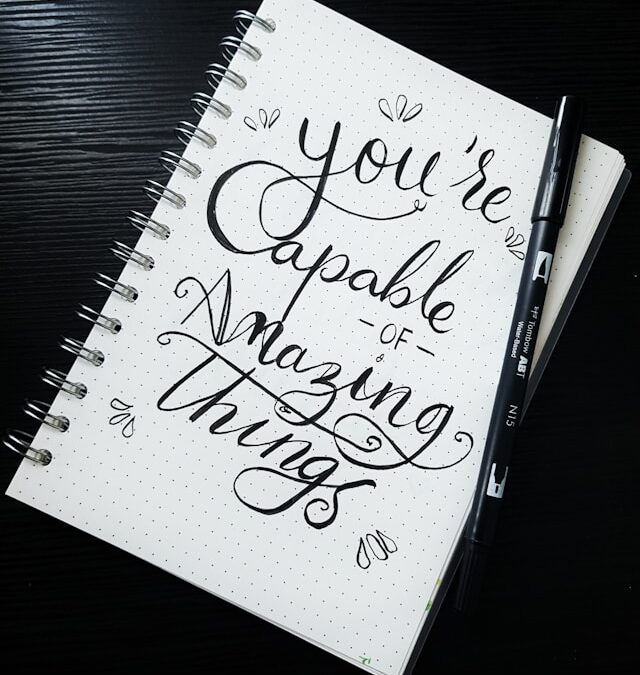
What if I told you that three days is all it takes to start transforming your entire life? Not three months. Not three years. Just 72 hours to rewire your brain, ignite your potential, and set yourself on a path to extraordinary success.
You might think that sounds too good to be true. But the answer is simpler than you think, yet more profound than you can imagine. It’s your voice. Not the one you use to speak to others, but the one you use to speak to yourself.
Right now, pause and listen. Not to me, but to the constant chatter in your own mind. What’s it saying? Is it cheering you on or tearing you down? Is it opening doors to new possibilities or slamming them shut before you even reach for the handle?
Most of us go through life completely unaware of the enormous impact our internal dialogue has on every single aspect of our existence. It’s like having a best friend or a worst enemy living rent-free in our heads, influencing every decision, every action, every result we achieve or fail to achieve.
Here’s the brutal truth: every single day, you have approximately 60,000 thoughts running through your mind. That’s 60,000 opportunities to either build yourself up or tear yourself down. And here’s the terrifying part—for most people, up to 80% of those thoughts are negative.
Let that sink in. For every positive, empowering thought you have, there are four negative ones trying to drag you down.
If you had a friend who criticized you 80% of the time, would you keep them around? Of course not. Yet we allow this negative internal dialogue to continue day after day, year after year, slowly eroding our confidence, our ambition, and our belief in what’s possible for our lives.
But what if I told you that you have the power to fire that negative roommate in your mind and replace them with the most supportive, encouraging, and empowering ally you could ever imagine?
This isn’t about empty positive thinking or unrealistic affirmations. This is about harnessing the scientifically proven power of neuroplasticity—your brain’s remarkable ability to rewire itself based on your thoughts and experiences.
It’s about leveraging the same techniques used by world-class athletes, successful entrepreneurs, and high achievers in every field to push past their limits and accomplish the seemingly impossible.
In this article, I’m going to share with you a step-by-step blueprint for revolutionizing your self-talk. You’ll learn how to identify and silence the negative voice that’s been holding you back, replace it with empowering internal dialogue, and create new mental habits that will propel you toward your goals with unstoppable momentum.
But I need to warn you: this isn’t going to be easy. Changing the way you talk to yourself requires courage, commitment, and a willingness to step out of your comfort zone. It means challenging beliefs you’ve held for years, perhaps even decades. It means being brutally honest with yourself about the ways you’ve been self-sabotaging your own success.
Day 1: Awareness and Challenge
The first step in transforming your inner dialogue starts with awareness. For the next three days, become hyperaware of your self-talk. Pay attention to the running commentary in your mind. Notice how you speak to yourself when you make a mistake, when you’re faced with a challenge, or when you’re contemplating taking a risk.
Write it down if you have to. This awareness is the first critical step.
Once you’ve become aware of your self-talk patterns, it’s time to challenge them. Ask yourself: Is this thought really true? Is it helpful? Is it moving me closer to my goals or further away?
You’ll be surprised at how many of your negative thoughts simply don’t stand up to this scrutiny.
The next step is to consciously replace these negative thoughts with empowering ones. This doesn’t mean lying to yourself or engaging in unrealistic positive thinking. It means choosing thoughts that are both truthful and supportive of your goals and well-being.
For example:
- Instead of “I’m not good enough for this job,” try “I have unique skills and experiences that make me a valuable candidate.”
- Instead of “I’ll never be able to lose weight,” say “I’m capable of making healthy choices that support my well-being.”
The goal isn’t to eliminate all negative thoughts—that’s neither realistic nor desirable. Negative emotions can serve a purpose, alerting us to potential dangers or areas where we need to improve. The key is to balance them with positive, empowering thoughts that motivate and inspire us to take action.
The Power of Empowering Questions
Here’s something fascinating: the human brain is designed to answer questions. When you ask yourself a question, your mind automatically goes to work finding an answer.
So instead of making negative statements, try turning them into empowering questions.
Instead of saying “This is too hard, I can’t do it,” ask yourself “How can I break this down into manageable steps?”
Instead of “Why do I always fail?” ask “What can I learn from this experience to do better next time?”
These empowering questions focus your mind on solutions rather than problems. They activate your creativity and problem-solving abilities, opening up new possibilities that you might not have seen before.
For the next three days, practice asking yourself empowering questions throughout the day:
- When you wake up: “What’s the most important thing I can do today to move closer to my goals?”
- When faced with a challenge: “What opportunity does this present?”
- Before going to bed: “What am I grateful for today and what did I learn?”
Affirmations are positive statements that you repeat to yourself to reinforce beliefs and behaviors that support your goals. But here’s the key: for affirmations to be effective, they need to be believable and emotionally charged.
Simply saying “I am rich” when you’re struggling financially isn’t likely to have much impact. Your subconscious mind will reject it as false. Instead, try something like “I am capable of creating wealth through my skills and determination.” This affirmation acknowledges your current reality while affirming your ability to change it.
For the next three days, create and use three powerful affirmations that resonate with your goals and values. Repeat them to yourself with conviction at least three times a day: when you wake up, during your lunch break, and before you go to bed.
Feel the truth of these statements in your body. Visualize yourself embodying these affirmations.
Silencing Your Inner Critic
We all have one—that voice in our head that’s quick to point out our flaws, magnify our mistakes, and predict our failures. This inner critic often develops as a misguided attempt to protect us from disappointment or motivate us to do better. But more often than not, it holds us back from reaching our full potential.
For the next three days, practice silencing your inner critic. When you notice that harsh, judgmental voice piping up, pause. Take a deep breath. Then imagine turning down the volume on that critical voice like you’re using a mental remote control.
Now replace that critical voice with a more compassionate, supportive one. Speak to yourself as you would to a dear friend or a child you love. Would you berate a friend for making a mistake? Of course not. You’d offer words of encouragement and support. Extend that same kindness to yourself.
Remember: self-compassion isn’t self-indulgence. It’s not about making excuses or avoiding responsibility. It’s about acknowledging that you’re human, that mistakes and setbacks are part of the learning process, and that you’re worthy of kindness and understanding as you navigate life’s challenges.
The Visualization Advantage
Your mind doesn’t distinguish between what you vividly imagine and what you actually experience. This is why top athletes use visualization techniques to improve their performance. They mentally rehearse their moves, seeing themselves succeeding in vivid detail.
For the next three days, spend at least 10 minutes each day visualizing your success. See yourself achieving your goals. Feel the emotions of accomplishment and pride. Hear the congratulations of your loved ones. Make this visualization as detailed and vivid as possible.
As you do this, pay attention to your self-talk during these visualizations. Are you encouraging yourself? Are you strategizing and problem-solving? This is the kind of internal dialogue you want to cultivate throughout your day.
Rewriting Your Personal Narrative
We all have a story we tell ourselves about who we are, where we come from, and what we’re capable of. This narrative shapes our beliefs, our actions, and ultimately our results.
For many of us, this narrative is filled with limiting beliefs and outdated assumptions. Maybe you’ve been telling yourself that you’re “not a math person” or that you’re “too old to start a new career” or that you’re “just not cut out for leadership.”
These stories might have served a purpose at one point—perhaps protecting you from the risk of failure or disappointment. But now they’re holding you back from your true potential.
For the next three days, consciously rewrite your personal narrative. Identify the limiting beliefs in your current story. Challenge them—are they really true, or are they just familiar?
Then craft a new story that aligns with your goals and values. This new narrative should acknowledge your strengths, your resilience, and your capacity for growth. It should frame challenges as opportunities for learning and setbacks as stepping stones to success. Most importantly, it should position you as the hero of your own story—capable, resourceful, and in control of your destiny.
The Gratitude Practice That Shifts Everything
It’s easy to focus on what’s wrong in our lives, what we lack, or what we haven’t achieved yet. But this negative focus only fuels more negative self-talk, creating a vicious cycle of dissatisfaction and self-doubt.
Gratitude breaks this cycle. When you consciously focus on what you’re grateful for, you shift your attention to the abundance in your life.
For the next three days, start and end each day with a gratitude practice:
Morning: Before you get out of bed, think of three things you’re grateful for. They can be big things like your health or your relationships, or small things like a comfortable bed or a cup of coffee.
Evening: Before you go to sleep, reflect on three good things that happened during the day. Acknowledge these positive moments and the role you played in creating or appreciating them.
This gratitude practice will gradually shift your default self-talk from criticism and lack to appreciation and abundance. You’ll start to notice more of the good in your life, which in turn will fuel more positive thoughts and actions.
The Comparison Trap (And How to Escape It)
In today’s social media-driven world, it’s all too easy to fall into the trap of comparing ourselves to others. We see carefully curated highlights of other people’s lives and achievements, and we use these as a yardstick to measure our own worth.
But comparison is the thief of joy. It’s also a fundamentally flawed way of evaluating your progress. You’re comparing your behind-the-scenes to someone else’s highlight reel. You’re measuring your Chapter 1 against someone else’s Chapter 20.
For the next three days, catch yourself whenever you start to compare yourself to others. When you notice these thoughts creeping in, pause. Take a deep breath. Then redirect your focus to your own journey.
Ask yourself: “Am I better today than I was yesterday? Am I moving in the direction of my goals?”
Remember, the only person you should be competing with is the person you were yesterday. Your path is unique. Your challenges, your strengths, your dreams—they’re all uniquely yours. Embrace this uniqueness instead of trying to conform to someone else’s definition of success.
Beyond the 3 Days: Making It Stick
Changing long-standing thought patterns takes time and consistent effort. It’s not about achieving perfection. It’s about making gradual, sustainable shifts in how you communicate with yourself.
Create self-talk cues or mantras that you can return to throughout your day. These might be short phrases like:
- “I choose my thoughts”
- “Every challenge is an opportunity for growth”
- “I’m becoming the person I want to be”
Place these mantras where you’ll see them regularly—on your bathroom mirror, as your phone wallpaper, or on sticky notes around your workspace.
Consider keeping a self-talk journal. At the end of each day, reflect on the predominant themes in your internal dialogue. What patterns do you notice? How did your self-talk influence your actions and experiences throughout the day?
Your 72-Hour Challenge Starts Now
By embarking on this three-day challenge to transform your self-talk, you’re not just changing a habit. You’re changing your life. You’re rewiring your brain, reshaping your perceptions, and redefining what’s possible for you.
The voice in your head is the narrator of your life story. By choosing to make that voice kinder, more encouraging, and more aligned with your values and goals, you’re choosing to write a new story for yourself—a story of growth, resilience, and unlimited potential.
For the next three days, talk to yourself like this: speak to yourself with kindness, encouragement, and unwavering belief in your capabilities. Question your limiting beliefs. Reframe your challenges as opportunities. Align your internal dialogue with your values and aspirations.
And then when those three days are over, keep going. Because this isn’t just about a short-term challenge. It’s about a lifelong journey of self-discovery and personal growth. It’s about becoming the author of your own life, one thought at a time.
Remember: the most important conversations you’ll ever have are the ones you have with yourself. Make them count. Your future self will thank you for it.

by silence | Nov 30, 2025 | finance
Here’s an uncomfortable truth: intelligence doesn’t protect you from making terrible financial decisions. In fact, smart people often lose money precisely because they think they’re too smart to fall for common traps.
Morgan Housel’s “The Psychology of Money” isn’t a typical finance book. It’s a diagnosis of how your mind quietly sabotages your wealth without you even noticing. You can master every investing strategy, read every financial book, and still make the same devastating mistakes if you don’t understand the psychology behind your money decisions.
Because money isn’t just logical. It’s deeply, irrationally, emotionally human. And that’s where most of us get destroyed.
The False Confidence: When Being Smart Makes You Stupid
Trap 1: You Think You’re Logical
Two people look at the exact same investment. One buys. One sells. Both are intelligent. Both have done their research. So who’s right?
Here’s the twist: they both are. As Housel explains, “People do crazy things with money, but no one is really crazy.” Everyone has a story that shapes how they see money, and that story is built from their unique experiences.
A stockbroker who lived through the Great Depression might never invest in stocks again, even though statistically it’s the best long-term play. A tech worker who got rich during the dot-com boom might chase risks that would terrify others. Someone who graduated during the 2008 financial crisis might fear the stock market for life, while someone who entered crypto in 2017 thinks wild volatility is completely normal.
Same world. Different lenses. Neither is crazy.
Your experience with money represents maybe 0.00000001% of what’s happened in financial history, yet it shapes nearly 100% of how you see the world. That’s the trap. You’re making decisions based on a tiny bubble of personal experience while assuming you see the full picture.
Trap 2: You Think You’re in Control
Bill Gates is brilliant. Calculated. Disciplined. Strategic. Exactly the kind of person you’d expect to succeed. But what most people forget is that in the early 1970s, Gates happened to attend one of the only high schools in America with a computer terminal. At a time when computers were rare, expensive, and inaccessible, that single accident gave him years of practice before most people even saw a keyboard.
That tiny detail was a one-in-a-million stroke of luck, and it changed everything.
Now compare that to his close friend Kent Evans. Equally brilliant. Equally obsessed with computers. But Kent died in a mountaineering accident before finishing high school. Another one-in-a-million event, but this time it was risk, not luck.
Two brilliant minds. Two wildly different outcomes. Neither fully in their control.
Housel’s point cuts deep: “Nothing is as good or as bad as it seems.” Behind every success story is a mix of effort, luck, and risk. You can do everything right and still lose. You can mess up and still win. That’s why humility matters.
Don’t take all the credit when things go right. Don’t take all the blame when they don’t. And be very careful who you try to copy, because the more extreme someone’s success, the more likely it came from circumstances you can’t repeat.
Trap 3: You Believe the Story, Not the Reality
Someone hears about a baker who won $200 million in the lottery. Suddenly, buying a ticket feels like a smart move. Never mind the one-in-300-million odds. The story feels good, so we believe it.
Housel calls these “appealing fictions.” Narratives that feel good but quietly mislead us. And it’s not just the lottery. We fall for the same stories in investing, spending, and saving decisions.
Take the crypto boom. In late 2021, it felt like everyone was getting rich. Your neighbor, that guy on TikTok, even your Uber driver had a hot coin tip. Thousands of new tokens launched. Most had no utility, no roadmap, no real purpose. Just a name, a price, and a story: “Get in early. This is the next Bitcoin.”
People didn’t buy the math. They bought the dream. By 2022, billions had vanished overnight. But the warning signs were always there.
The lesson? Always ask: Is this supported by data or just desire? Do I trust it because it’s true, or because I want it to be? Because in money, the most dangerous stories aren’t lies. They’re comforting half-truths we never think to question.
Trap 4: You Think You’re a Spreadsheet
We plan like machines, but we’re humans. Spreadsheets don’t panic during downturns. They don’t compare themselves to neighbors. They don’t feel stress or doubt. But you do.
That’s why Housel says, “Aiming to be mostly reasonable works better than trying to be coldly rational.” Because reasonable is sustainable. And sustainability is what actually builds wealth over time.
Look at the stock market. Historically, it delivers positive returns 68% over one year, 88% over 10 years, 100% over 20 years. But none of that matters if you abandon your plan halfway through because you can’t handle the emotional stress.
The real threat isn’t poor logic. It’s emotional temptation. You don’t lose money because you’re stupid. You lose it because the world is loud and your emotions listen.
The Emotional Hijack: Why Enough Is Never Enough
Trap 5: You Chase More Than You Need
Housel writes: “There is no reason to risk what you have and need for what you don’t have and don’t need.”
So why do people who already have more than enough still risk everything for more?
In 2021, Sam Bankman-Fried was worth over $20 billion at age 29. His company FTX was the second-largest crypto exchange in the world. The media called him the next Warren Buffett. Politicians praised him. He was one of the richest self-made billionaires in history.
But behind the curtain, he was quietly mixing customer funds. Not to survive. Not to feed his family. But to chase more. More control. More status. More admiration. The word “enough” was never part of his plan.
The empire collapsed overnight. Billions lost. Investors betrayed. Sam arrested, disgraced, alone.
That’s the danger of “never enough.” It’s a silent trap, and most of us don’t even realize we’re caught. You earn good money until you meet someone earning more. You buy a nice car until someone shows up in a nicer one. You feel proud of what you’ve built until you scroll social media and suddenly feel behind.
Philosopher Bertrand Russell said it simply: “It is impossible to escape envy by means of success.” Even history’s greatest weren’t immune. Napoleon envied Caesar. Caesar envied Alexander. Alexander envied Hercules, who wasn’t even real.
Define what “enough” means to you. Draw the line. And once you find it, protect it. Because the most powerful kind of wealth isn’t money. It’s peace of mind.
Trap 6: You Think Stuff Will Make You Admired
When someone sees a Ferrari on the street, their first thought isn’t “Wow, that driver must be really successful.” It’s “Damn, I want that car.” They’re not admiring you. They’re picturing themselves behind the wheel.
That’s the man-in-the-car paradox. We buy things to impress people who aren’t even paying attention to us.
Housel explains: “Wealth just becomes a mirror reflecting people’s own desires to be liked and admired.” They’re not seeing you. They’re seeing who they could become.
Real respect doesn’t come from what you own. It comes from how you treat people. Humility, kindness, empathy bring more admiration than any luxury item ever could.
Trap 7: You Think Looking Rich Means Being Rich
The fastest way to go broke? Trying to look rich.
As Housel puts it: “Spending money to show how much money you have is the fastest way to have less of it.” You see someone driving a $100,000 car and assume they’re rich. But what you don’t see is the car loan, the stress, the pressure to keep up appearances.
True wealth is what you don’t see. It’s the money you didn’t use to upgrade the car, didn’t flash on Instagram, didn’t burn just to feel successful for a moment.
Looking rich gets attention. Building wealth is silent. No one claps when you quietly invest every month or skip the new phone. But those are the moves that build lasting wealth.
Trap 8: You Fall for Fear Disguised as Wisdom
Bad news grabs attention. Tell someone the market will crash and they’ll listen. Tell them it will rise slowly over the next 20 years and they’ll lose interest.
As Housel says: “Optimism sounds like a sales pitch. Pessimism sounds like someone trying to help you.” That’s why pessimism feels more persuasive, even when it’s less accurate.
A 40% market crash makes headlines. A 140% gain over six years barely gets noticed. Setbacks happen fast and loud. Progress happens slowly and quietly.
Real optimism isn’t blind faith. It’s expecting setbacks and still believing in long-term growth. That mindset is what keeps smart investors in the game.
The Hidden Rules: What Actually Builds Wealth
Trap 9: You Think Saving Needs a Goal
Most people think building wealth means making more money. But Housel argues something else matters far more: how much you save.
And here’s the key: saving doesn’t always need a goal. You can save just to create options, to wait, to pivot, to say no when others can’t.
Housel puts it clearly: “Savings is the gap between your ego and your income.” That one line explains why even high earners live paycheck to paycheck.
Think of the lawyer making $250,000 a year, driving a new Porsche, paying for private school, dining out five nights a week. From the outside, it looks like wealth. But behind the scenes, there’s nothing left. One job loss, one emergency, and everything collapses.
After a certain point, building wealth isn’t about earning more. It’s about needing less.
Trap 10: You Want the Gains, But Not the Ride
Everything has a price, but not all prices appear on labels. The hidden cost of investing doesn’t come with a receipt. It comes as fear, doubt, and regret.
Housel explains: “Think of market volatility as a fee rather than a fine.” It’s not punishment. It’s the price of admission.
Take Netflix. It returned more than 35,000% between 2002 and 2018, but spent 94% of that time below its previous all-time high. To win, you had to live through constant discomfort. That was the fee.
Most people try to avoid that fee. They chase quick wins, try to time the market, jump in and out. But by avoiding short-term pain, they often pay double in the long run through missed gains or costly mistakes.
Trap 11: You Think Getting Rich Is the Hard Part
Getting rich takes boldness, risk, optimism. Staying rich takes something far less glamorous: caution, humility, resilience.
As Housel puts it: “Good investing isn’t about brilliance. It’s about survival.” Because if you avoid catastrophe, you stay in the game. And if you stay in the game, compounding does the rest.
The best investors don’t chase perfection. They build systems with room for error because they expect surprises. True strength is surviving when everything goes wrong.
Trap 12: You Overestimate Your Plan
Your spreadsheet doesn’t feel fear. It doesn’t get laid off. It doesn’t panic during a downturn. You do.
That’s why Housel says: “The most important part of every plan is planning on your plan not going according to plan.”
It’s not about building a perfect plan. It’s about building one that survives reality. And that means leaving room for error.
Housel assumes his future returns will be a third lower than historical averages. That one choice helps him save more and sleep better. Because often the problem isn’t the plan. It’s your nerves.
The Long Game: Time Is Your Secret Weapon
Trap 13: You Underestimate the Power of Time
Warren Buffett is worth around $160 billion. But more than $156 billion of that came after his 65th birthday.
He didn’t get rich from chasing big returns. He got rich from starting early and staying in the game. As Housel explains: “The most powerful force in finance is time, not talent.”
Buffett started investing at age 10. By 30, he was a millionaire. But what made him one of the richest people alive was simply staying in the game for over 80 years.
Compounding isn’t just about high returns. It’s about earning good returns for a really long time. Real wealth is built slowly, quietly, over decades.
Trap 14: You Ignore How Rare Success Really Is
One big win can cover a dozen small losses. In money and in life, most outcomes are driven by a few rare events called tail events.
Warren Buffett has owned hundreds of stocks in his life, but nearly all of his wealth came from just 10. In 1989, he bought shares of Coca-Cola. That single investment became one of the greatest compounders in history.
Since 1980, just 7% of companies in the Russell 3000 drove all of the market’s net gains. Meanwhile, 40% of stocks dropped over 70% and never recovered.
The lesson? Stop trying to be right all the time. Start focusing on staying in the game. Most days won’t feel important, but a few rare moments can change everything.
Trap 15: You Buy Stuff and Sell Your Time
Housel puts it simply: “The greatest benefit of money isn’t stuff. It’s freedom.”
Controlling your time is the highest dividend money pays. Because deep down, we don’t just want money. We want more control, more space to think, to breathe, to choose.
In 1981, social scientist Angus Campbell concluded: “A strong sense of controlling one’s life is a more dependable predictor of well-being than any objective condition.” Freedom over your time beats wealth, status, or success.
That’s why financial freedom isn’t about having more. It’s about needing less.
Become the Person Who Wins Long-Term
Trap 16: You Expect the Market to Be Predictable
The most important events in your financial life? You won’t see them coming. Yet many investors treat history like a crystal ball.
Housel calls this “the historians as prophets trap.” History is the study of change, ironically used as a map for the future. But the biggest market shifts are almost always unprecedented.
History won’t predict the next war, recession, or innovation. But it can help you build the right mindset to stay calm when the next surprise comes. Because in investing and in life, calm beats certainty.
Trap 17: You Forget That You’ll Change
Psychologists call it the “end of history illusion.” We clearly see how much we’ve changed in the past but completely underestimate how much we’ll change in the future.
What feels obvious or permanent right now might look totally different in 10 years. That’s why long-term planning is so tricky. We build plans for who we are today, not who we’re becoming.
How do you protect yourself from future regret? Avoid extreme financial commitments. Aim for moderation. Because plans built on moderation are more flexible. They survive change.
Trap 18: You Copy People Who Aren’t Playing Your Game
The fastest way to lose money? Follow advice that wasn’t meant for you.
Housel explains: “Few things matter more with money than understanding your own time horizon and not being persuaded by the actions of people playing different games than you are.”
A day trader chasing short-term momentum isn’t playing the same game as someone investing for retirement. When you copy their moves, you inherit their risks without knowing the rules.
Before you jump on the next hot stock, ask yourself: What game am I playing? And does this advice fit that game?
The Real Game
The psychology of money isn’t about getting rich quick. It’s about understanding the invisible forces that control your financial decisions so you can finally take back control.
Intelligence won’t save you. Spreadsheets won’t save you. What saves you is recognizing these 18 traps before they destroy your wealth, and building a financial life that survives your humanity.
Because in the end, the people who win aren’t the smartest. They’re the ones who understand themselves well enough to stay in the game when everyone else panics and quits.
So here’s your question: Which trap has been costing you the most? And what are you going to do differently starting today?

by silence | Nov 23, 2025 | productivity
There’s a brutal truth about wealth that nobody wants to admit: most people will never achieve the financial freedom (getting rich) they dream about. Not because they lack talent or intelligence, but because they’re missing something far more fundamental.
In 1908, a young journalist named Napoleon Hill received an assignment that would change millions of lives. Andrew Carnegie, one of the wealthiest men in history, challenged him to study 500 millionaires and uncover the formula for success. What Hill discovered after 20 years of research became “Think and Grow Rich,” and the principles he revealed are just as powerful today as they were nearly a century ago.
But here’s what most people miss: these aren’t just motivational ideas to make you feel good. They’re a precise blueprint that either works or doesn’t, depending on whether you actually apply them.
The Foundation: It Starts With Knowing Exactly What You Want
Edwin C. Barnes had nothing. No money, no connections, no special skills. But when he saw a photograph of Thomas Edison, something clicked. He didn’t wish he could work with Edison someday. He decided he would become his business partner.
Barnes couldn’t afford a train ticket to New Jersey, so he jumped a freight train. He walked into Edison’s office and asked for a chance. Edison didn’t hire him as a partner. Instead, he offered a low-level job. Most people would’ve been insulted. Barnes took it and showed up every single day for years.
When Edison needed someone to sell his new dictating machine, Barnes was ready. He crushed the sales targets and earned the partnership he’d been visualizing from day one.
That’s the difference between a wish and burning desire. A wish says “it would be nice.” Desire says “I will find a way or make one.” Hill’s formula is straightforward: decide exactly what you want, determine what you’ll give in return, set a deadline, create a plan, write it all down, and read it twice daily while visualizing yourself already living it.
But desire alone isn’t enough. You need something that makes your mind accept it as inevitable.
Faith: Seeing Your Future Before It Exists
In 1995, Dwayne “The Rock” Johnson sat in his car with seven dollars in his pocket after being cut from professional football. Most people in that moment would’ve called it the end. Johnson called it the beginning. He told himself he was destined for something bigger, and that belief became the fuel for everything that followed.
Faith isn’t blind optimism. It’s the practice of convincing your subconscious mind that your goal is real before the world reflects it back to you. Your mind accepts what it hears on repeat, whether it’s true or not. That’s why Jim Carrey wrote himself a check for ten million dollars when he was broke and struggling. He dated it five years ahead, carried it in his wallet, and visualized receiving that exact amount every single day.
Five years later, he landed “Dumb and Dumber” with a ten million dollar paycheck.
This is where most people give up. They try something once, see no immediate results, and quit. But Hill studied the people who actually won, and they all shared one trait: they made decisions fast and changed them slowly. They committed and held the line.
The Plan: Knowledge Without Action Is Worthless
Henry Ford was once called an “ignorant idealist” by a Chicago newspaper. When they tried to embarrass him in court by asking basic historical questions, Ford smiled and said, “I have a row of electric push buttons on my desk. I can summon men who can answer any question I desire.”
Ford didn’t try to know everything. He surrounded himself with people who had the knowledge he needed, then used that knowledge to act. That’s specialized knowledge: targeted skills aimed directly at your goal, organized and applied through a definite plan.
Think about Airbnb. Two broke roommates couldn’t pay rent. A design conference was coming to San Francisco with all hotels sold out. They put three air mattresses in their living room, offered breakfast, and rented the spots online. That tiny experiment, refined over years, became a company worth billions.
The plan doesn’t have to be perfect from day one. Netflix started by mailing DVDs. They kept refining, pivoted to streaming when the technology caught up, then created original content when the market was ready. Every major move came from organized planning and the willingness to adapt when reality demanded it.
The Push: Where Most Dreams Die
Here’s where it gets hard. You’ve got desire, faith, knowledge, and a plan. Now comes the part where most people collapse: actually doing it consistently when results are slow and obstacles pile up.
During the Colorado Gold Rush, two men found gold, covered the mine, went home to raise money for proper equipment, and returned to discover the vein had disappeared. After weeks of failure, they gave up and sold everything to a junk dealer. That dealer brought in a mining engineer who discovered they’d stopped digging just three feet from the richest part of the mine.
Three feet. That’s how close most people get before they quit.
Persistence isn’t stubbornness. It’s the state of mind that refuses to stop, fueled by clear purpose, burning desire, self-belief, and a definite plan. And it gets exponentially easier when you stop fighting alone.
The Wright Brothers weren’t wealthy or university-trained engineers. They were bicycle mechanics chasing a dream most people called impossible. But when one was discouraged, the other stayed optimistic. When one had an idea, the other refined it. Their mastermind produced the first controlled flight in history.
The Upper Levels: Tapping Into Something Bigger
Muhammad Ali knew he couldn’t beat George Foreman punch for punch in the Rumble in the Jungle. So he trained not just his body, but his focus. He cut out every distraction and channeled all his physical and emotional energy into one purpose. On fight night, he used his famous rope-a-dope strategy to exhaust Foreman, then knocked him out in the eighth round.
Every ounce of energy was directed at that single goal.
Hill calls this sex transmutation: redirecting your strongest emotional energy into sustained ambition, imagination, and effort. When Michael Phelps visualized his perfect swim before every race, he didn’t just picture success. He visualized every possible problem, including his goggles filling with water. At the 2008 Olympics, that exact thing happened during the 200-meter butterfly final. Phelps stayed calm, counted his strokes, and won gold, breaking the world record. His subconscious mind had lived that race so many times that his body simply followed through.
The Final Enemy: Fear
Hill identified six ghosts of fear that kill more dreams than failure ever could: fear of poverty, criticism, ill health, loss of love, old age, and death. These fears don’t shout. They whisper. They tell you to wait for the perfect time, to take the safe path, to lower your goal so you won’t be disappointed.
But here’s the truth every successful person discovered: the perfect time never arrives. Steve Jobs didn’t wait for certainty. The Airbnb founders didn’t wait for permission. Dwayne Johnson didn’t wait until he had more than seven dollars.
They acted while the ghosts were still whispering. They pushed forward anyway.
Your Move
Think and Grow Rich isn’t about money. It’s about building the life you actually want by refusing to let fear, hesitation, or other people’s limitations control your decisions. The 13 principles work, but only if you work them.
So here’s your question: What’s the one goal you keep postponing because you’re waiting for the perfect moment, the perfect plan, or the perfect you? And what if that perfect moment is right now, with exactly what you have, exactly where you are?
Because the only thing standing between you and the life you want is the decision to start. Everything else is just details you’ll figure out along the way.

by silence | Nov 16, 2025 | productivity
Inspired by: “Monthly Planning System That Changed My Life After 50 (6H Method)” — a coach’s monthly reset framework for women 50+. (YouTube)
On the first Sunday of the month, Elena clears a small square of table by the window—the one space in her house that always seems to collect everyone else’s stuff and none of her own—and lays out a pen, a ruled notebook, and a cup of tea she intends to drink while it’s hot. For years, planning meant wrangling a thousand obligations into a calendar that looked like a losing game of Tetris. But after fifty, she wanted something different: not a tighter net for catching more tasks, but a gentler compass for pointing toward a life she could feel when she woke up.
She’d heard a coach talk about a “6H” monthly reset—six simple lenses for designing the month ahead—and the idea landed like a handrail on a staircase she’d been climbing in the dark. Elena didn’t adopt anyone else’s labels wholesale; she adapted them. Her six H’s became Health, Headspace, Home, Habits, Heart, and Horizon. Nothing mystical, just six anchors to keep her from drifting into everyone else’s currents.
She begins with Health because everything else stands on it. On the left page, she writes three lines:
- Sleep: lights out 10:30 p.m. (non-negotiable on weeknights)
- Movement: twenty-minute morning walk; twenty squats while the kettle boils
- Fuel: protein at breakfast; water on the desk
It looks almost childish in its simplicity, and that’s why it works. No heroic declarations, no new gear. Just routine, repeatable, friendly. She circles sleep twice, remembering how many months she tried to build focus atop a wobbly foundation and called it “discipline.”
Next is Headspace, the quiet weather inside. She lists the mental loops she’s been replaying—her brother’s health, a difficult project at work, the fear (this one is tender) of time passing faster than she can shape it. Instead of trying to outthink those feelings, she gives them appointments: ten minutes of journaling on weekday mornings, a Sunday phone call to her brother, a boundary for the project—two focused blocks a week and no more. Worry loves fog; Elena tries to give it a calendar.
Home comes third, because the environment argues with your intentions all day long. She chooses two rooms that will get love this month: the kitchen drawer that swallows measuring spoons and the home desk where she pays the bills. One micro-project per weekend, ninety minutes each, with a simple finish line: a labeled tray, a cleared surface, a place for the things that never seem to have places. It’s remarkable how courage grows in a tidy room.
Now Habits, the autopilot she’ll trust when motivation wanders. Elena doesn’t chase twelve habits at once anymore. She chooses two: a nightly “shutdown” (set tomorrow’s first step, tidy the desk, close the laptop) and a five-minute “check-in” after lunch (What matters most for the next two hours?). She draws little checkboxes along the margin of the month—quiet encouragement, not handcuffs. If she misses a day, she doesn’t punish the calendar with red ink. She just returns.
Heart takes her from lists to relationships—the people who make life both complicated and worth it. She writes the names that matter this month: her daughter, away for work; an old friend she keeps promising to visit; the colleague she’s mentoring. She plans a handwritten note on the fifteenth (already stamped, so all she has to do is walk it to the mailbox), a Saturday breakfast with her friend, and two half-hour slots to help her mentee with a thorny presentation. Generosity, she realizes, isn’t the enemy of focus—ambiguity is. Name the people, give them time, and the rest of the week stops feeling like a guessing game.
Finally, Horizon—the reason to bother with any of this. Ten years left in her working life is what she calls “close enough to see, far enough to shape.” She keeps three outcomes in view for the month, each tied to a bigger arc. One is craft: drafting the first chapter of the guide she wishes she’d had at forty-five. One is career: shepherding her team through a complex handoff without the usual chaos. One is financial: automating a small investment transfer she’s postponed for ages. Each outcome gets a definition of “done,” a first step, and—this is new for Elena—a stop step that says, “This is enough for now.” Horizon without boundaries becomes anxiety in a nicer outfit.
When her list is set, she opens the calendar and blocks time before the meetings rush in. Four blue morning blocks for the chapter. Two green afternoon blocks for the team handoff. One gold hour on Friday to move money like a grown-up. It’s color-coded not because she loves stationery (she does), but because the colors make it obvious when she’s breaking her own promises. She leaves white space too—breathing room that once felt like waste and now feels like wisdom.
Of course, real life does what real life does. The second week, her daughter’s flight is canceled, the handoff snarls on a dependency no one caught, and Elena’s morning walk becomes a trudge through rain that insinuates itself under her collar. Old Elena would have declared the plan broken and sprinted back to firefighting. New Elena flips to the first page of the month and reads the sentence she wrote in the margin: Return small. One deep breath. One paragraph. One email that names the decision blocking the project and requests a call to make it. The day is still messy. But it’s hers again.
On Wednesdays she runs a mini-review. Three questions, ten minutes: What moved the needle? What’s heavier than it should be? What can I cut or delegate? She’s learned that the calendar gets bloated the way closets do—by inertia and sentiment. Mid-month pruning keeps the plan honest. When she cancels a meeting, she writes a graceful note that says “I’m heads-down on [priority]; could we handle this by email?” and is surprised how often the answer is yes.
At month’s end, there’s a small ceremony. She reads the chapter pages she did finish, not the ones she didn’t. She writes two lines to her team about what they navigated together—because progress deserves witnesses. She sticks the investment confirmation printout into a folder labeled “Future Elena” and smiles at the thought of someone she hasn’t met yet benefiting from today’s unspectacular discipline.
Then she asks the hardest question gently: Did her Horizon still match the life she actually has? If not, she adjusts. Health comes first when sleep slips. Headspace gets the morning walk when the mind feels loud. Home gets attention when drawers start swallowing time. The six H’s aren’t a doctrine; they’re a conversation she has with herself about what matters now.
On a Saturday morning, Elena meets her old friend for breakfast. They talk about grown children and aging parents and the way your forties are a blur of doing and your fifties are an invitation to decide. “I wish I’d learned this earlier,” her friend says, stirring her coffee. Elena laughs. “Maybe we learn it right on time.”
She doesn’t pretend the system makes life easy. It makes life legible. It helps her tell the difference between the work that builds a legacy and the work that just keeps her busy. It gives shape to a month so she can walk through it with less rushing and more presence. Some days, the boxes stay unchecked. Some months, grief or surprise knocks the plan sideways. Still, the compass remains.
On the last page of the notebook, she writes what she wants to remember when the next month begins:
- Choose fewer goals and finish them.
- Make tiny promises you can keep.
- Protect the mornings.
- Ask for help before you need it.
- Rest is productive.
- Generosity scales when it’s scheduled.
She looks up from the page. The square of table by the window is clear again. Outside, the afternoon has the washed light of early evening. Elena closes the notebook and feels a quiet click inside—the feeling of a month that will not run itself but will meet her half-way, if she shows up with attention and kindness.
This is what planning after fifty has become for her: not a louder engine, but a cleaner map. Not more willpower, but friendlier defaults. Not a sprint, but a series of steady, humane steps—six small anchors, one good month at a time.

by silence | Nov 9, 2025 | productivity
On the morning of his fifty-third birthday, Alan opened his calendar and noticed how empty it looked—and how loud it felt. Empty because there were long stretches of white space. Loud because those blank hours had a way of filling themselves with other people’s priorities. He poured coffee, sat by the window, and gave himself a quiet dare: for the next ten years—the final sprint of his working life—he would treat time like a craft, not a race.
He started with a single blue block on his calendar: 8:30–10:00 a.m., labeled “Deep Work—One Thing.” Nothing fancy. No new app. He chose the project that mattered most but never seemed urgent: drafting the proposal only he could write. When the clock ticked 8:30, he shut his door, put his phone in another room, and took three slow breaths. The urge to check email hummed like a mosquito. He noticed it. He didn’t swat at it. He just began.
Ninety minutes later, he looked up and felt something he hadn’t felt in a while: momentum. Not the jittery kind that comes from rushing between meetings, but the settled strength of doing one meaningful thing with all of himself. He ended the session by typing tomorrow’s “first sentence” into the document—one small cue his future self would recognize. Then he stood, walked for five minutes, drank water, and returned to a world that somehow seemed kinder.
That afternoon he did the unglamorous work of simplifying his setup. For years he’d treated his brain like a storage unit: tasks, ideas, obligations stacked in mental boxes and toppling in the dark. He made one new habit: capture everything into a single inbox. A small notebook sat on his desk; a notes app sat on his phone. If a thought mattered, it went there. Once a day, he sorted the list. Decide once, he told himself. What does “done” mean? When will I do it? If it didn’t deserve a time, it didn’t deserve space in his head.
He reorganized the surfaces he touched daily. The desk kept only what he used every week. One tray for “Active,” one drawer for “Archive,” labels that ended the scavenger hunts. On his laptop, he created two folders—“Active” and “Archive”—and renamed files with ruthless clarity: date, project, version. No more “final_FINAL2.docx.” In email, he retired the thousand-folder labyrinth and went with two: “Action” and “Waiting.” The inbox became a landing pad, not a second brain. Twice a day—late morning and late afternoon—he processed messages in one sitting, then closed the tab like he meant it.
The next experiment was energy. For years Alan had tried to squeeze more into the day; now he tried to pour better energy into fewer things. He set a consistent bedtime and wake-up time—not heroic, just repeatable. He added short walks between big blocks instead of back-to-back intensity. He swapped the pastry that spiked and crashed his focus for a steadier breakfast. None of it was dramatic. All of it made the deep-work block feel like a place he wanted to return to.
Boundaries were harder. He had built a career by saying yes. “I can help with that” had taken him far—and often away from what only he could do. So he wrote a sentence on a sticky note and placed it next to the keyboard: Thanks for thinking of me. I’m focused on [priority] this quarter and won’t be able to give this the attention it deserves. The first time he typed it, he felt guilty. The third time, he felt honest. The fifth time, he felt free. Every graceful no bought back an hour for craft, recovery, or both.
Delegation surprised him most. He used to think mentoring would slow him down. Then he listed three tasks a motivated colleague could learn within two weeks. He recorded a five-minute screen walkthrough for each and wrote a one-page SOP. The first week took effort. The second week felt lighter. By the third, his Tuesday afternoons belonged to the proposal again. He realized mentoring wasn’t just generosity; it was a time machine disguised as leadership.
Rituals stitched everything together. Each morning began the same way: put the phone in the kitchen, breathe for ninety seconds, read yesterday’s “first sentence,” start. Each evening ended the same way: a ten-minute shutdown. He scanned the inbox, set tomorrow’s top three outcomes, cleared the desk, and wrote the very first physical step for the morning block—a file to open, a line to write, a graph to draw. Then he closed the laptop. At first, the ritual felt quaint. Soon it felt like an exhale he could carry into dinner, conversation, sleep.
On Fridays he ran a weekly review that was part autopsy, part celebration. What moved the needle? What didn’t? What will I cut next week? He looked for drift—the places where small yeses had multiplied quietly—and corrected course. He chose three meaningful outcomes for the coming week and scheduled the deep-work blocks before anything else. Meetings fit around the blue blocks, not the other way around.
Once a month he did a reset with a blank page and honest questions: Are these still the right goals? Does my calendar reflect them? Where am I pretending? He’d adjust the plan to the life he actually had—aging parents, travel, the slow curve of energy—so the system stayed humane. Some months he aimed higher. Some months he aimed wiser. The target moved, but the practice stayed.
Of course there were days it all wobbled. The phone didn’t stay in the kitchen. The block got invaded by an emergency that wasn’t his. The inbox crept from landing pad to swamp. On those days he used the smallest possible switch: one breath, one sentence, one five-minute tidy, one walk around the block. He learned that consistency isn’t the absence of interruption; it’s the habit of returning.
He also discovered how relationships multiply time. Teaching a junior analyst how to frame a problem saved him hours of rework. A fifteen-minute standing meeting with his project lead cleared a week’s worth of ambiguity. He started asking for help earlier—before the small issues ballooned—and he offered help with specificity: “Here’s my draft SOP and a short video; try it, then bring me two questions.” He was building something larger than a schedule. He was building a legacy.
By spring, the blue blocks had become a quiet promise. He’d sit down, open the document, and feel a familiar, steady focus rise to meet him. The proposal had grown into a body of work that carried his fingerprints—thoughtful, sharp, complete. People noticed. But more importantly, he noticed that he could finish a day with energy left for the life waiting outside his inbox.
One evening, after a walk with his wife and a chat with his son, he returned to the desk to write down tomorrow’s first step. He paused, realizing the true change was not in his calendar but in his attention. He no longer treated productivity as acceleration. He treated it as alignment. His best hours belonged to his best work. His system carried the load his memory no longer should. His rituals turned good intentions into muscle memory. And his boundaries—the gentle no, the two email windows, the shorter meetings—guarded the scarce, bright hours that remained.
Ten years can feel small in a career. Ten years of focused, humane craft can change everything. When Alan looked at the blocks on his calendar, he didn’t see boxes to fill. He saw rooms with doors he could close, windows that let in light, and a long table where he laid out the work only he could do. Each morning he stepped inside, breathed, and began. And each evening he set down his tools, closed the door, and went back to a life that was richer because he hadn’t given his hours away.
This, he realized, was the quiet power of being productive after fifty: not a louder engine, but a better map. Not more miles, but the right direction. A handful of well-placed yeses. A chorus of graceful noes. The humility to reset often. The courage to protect the time that makes your work—and your life—feel like yours again.